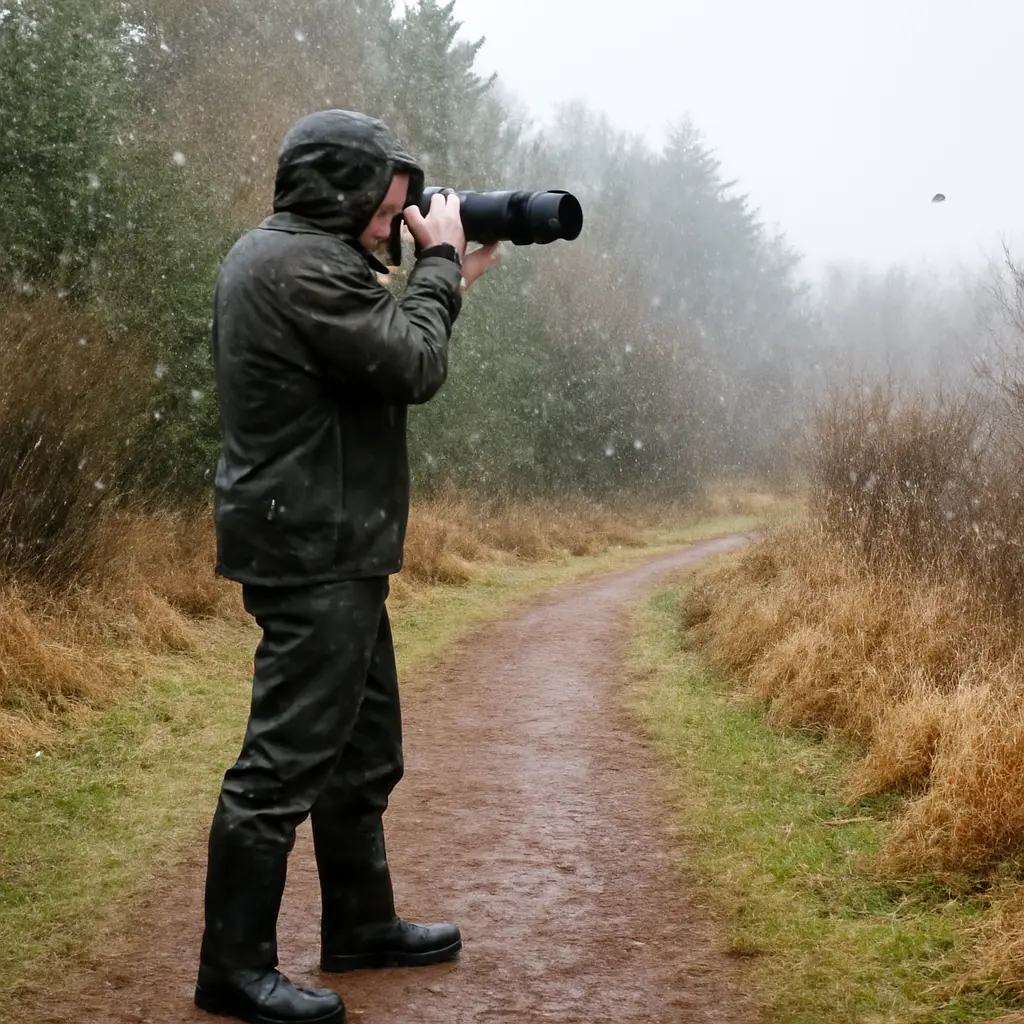
A photographer’s style is the recognizable pattern of choices that shapes how their images look and feel. Photographers change styles as their skills, interests, circumstances, and audiences change; the shift can be intentional rather than a rejection of earlier work. Research on creativity and expertise suggests that practice, feedback, and exposure to new ideas help people develop, while photography’s changing tools and markets create practical reasons to adapt. Understanding the difference between a lasting creative direction and a passing experiment can help photographers evolve without losing their sense of purpose.
Photographic style changes as creative practice develops
Photographic style is the recurring visual and conceptual character of a photographer’s work: choices such as subject, composition, light, color, perspective, and editing, as well as the ideas those choices communicate. The Oxford English Dictionary defines “style” broadly as a distinctive manner of doing or presenting something; in photography, that manner becomes legible through patterns across images rather than one isolated picture. A style can be consistent without being fixed.
Photographers often change style because their visual interests and life experiences shift, their technical abilities expand, or their work responds to new clients, audiences, and technologies. The change may be gradual, as a photographer refines color or composition, or substantial, as they move from commercial portraiture to documentary work. These forms overlap: a technical experiment may reveal a new subject, and a change in subject may demand a different visual language.
Style as a pattern, not a preset
A photographic style is more than a recognizable editing filter. It includes what a photographer chooses to photograph, what they leave outside the frame, how they arrange visual elements, and the emotional or ethical stance their images convey. The National Gallery of Art’s photography collections demonstrate how varied approaches—from documentary observation to constructed imagery—can each form a coherent practice.
This distinction matters when evaluating change. A photographer may adopt warmer color grading yet retain the same subjects, framing habits, and storytelling priorities. Conversely, their images may look technically similar while a new subject or point of view signals a deeper evolution.
The difference between evolution and inconsistency
Evolution is a meaningful change that grows from inquiry, experience, or a deliberate creative goal. Inconsistency is variation without a clear reason or relationship between choices. A portfolio can contain multiple approaches and still feel intentional when the photographer can explain why each approach serves its subject or audience.
A practical test is to compare bodies of work rather than isolated photographs. If a new visual choice helps express a developing interest, it may be part of an emerging direction. If it exists only to imitate a trend or satisfy momentary dissatisfaction, it may not represent a durable change.
Creative motivations shape why photographers change styles
Creative motivation includes the internal and external forces that influence what a photographer makes and how they make it. Psychologist Teresa Amabile’s componential theory of creativity identifies domain-relevant skills, creativity-relevant processes, and task motivation as factors that contribute to creative work. Applied to photography, this framework helps explain why a style may shift when a photographer learns new techniques, reframes a question, or finds a more compelling reason to make images.
Motivations can be grouped into personal, professional, and cultural influences. They are not mutually exclusive: a photographer may pursue a personal project that also strengthens a commercial portfolio, while responding to wider conversations about representation or technology.
Personal experience and changing interests
Personal change can redirect a photographer’s attention. New relationships, places, responsibilities, or periods of uncertainty may make familiar subjects feel different or bring previously overlooked subjects into view. The resulting shift might appear in subject matter, intimacy, mood, or the amount of direction given to people in front of the camera.
This does not mean every personal experience must become a project. Rather, reflection helps photographers identify which interests persist. A recurring question—about home, identity, labor, memory, or the natural world—can provide a stronger foundation for a new body of work than a short-lived aesthetic preference.
Skill, experimentation, and creative confidence
As technical knowledge grows, photographers can make choices that were previously difficult or unavailable to them. Learning off-camera lighting, medium-format film, motion, or advanced color management can open new ways to solve visual problems. Experimentation is useful when it is treated as a method of discovery rather than proof that the photographer must immediately abandon an established approach.
Psychologist Anders Ericsson and colleagues’ research on deliberate practice emphasizes focused work on specific skills, supported by feedback. It does not establish a universal number of hours that guarantees creative mastery. For photographers, the relevant lesson is to set experiments with a defined question—such as whether a slower shutter speed better conveys movement—and review the results critically.
Audience, clients, and cultural context
External demands can also prompt a style change. Editorial assignments, commercial briefs, platform formats, and audience expectations may reward different crops, pacing, color, or subject treatment. The U.S. Bureau of Labor Statistics describes photographers’ work as spanning areas including portrait, commercial, aerial, and scientific photography, illustrating how varied the profession’s assignments can be. That occupational range does not mean every photographer needs one style for every market; it does show why adaptability can be professionally useful.
Cultural context matters, too. Changes in technology and public expectations affect how images are made, distributed, and interpreted. Photographers can respond by reconsidering consent, representation, image manipulation, and the relationship between subject and photographer. A deliberate response begins with the project’s purpose and the people represented, not simply with what is currently popular.
Intentional style evolution turns change into a process
Intentional style evolution is a structured process for testing new creative directions while evaluating what to retain, revise, or leave behind. It connects reflection to practice: identify a reason for change, make a focused body of work, seek informed feedback, and decide what the evidence suggests. This approach reduces the pressure to define a permanent style before a photographer has explored the possibilities.
The process is iterative rather than linear. A photographer may return to an earlier technique with a new understanding, combine approaches, or discover that an experiment works best for only one kind of subject.
Audit the existing body of work
A portfolio audit is a review of images made over time to identify recurring subjects, visual decisions, and unresolved questions. Select work from several projects and look for patterns in light, distance, color, composition, gesture, and editing. Also note which images still feel meaningful and which feel like repetitions made to meet an expectation.
The audit should include context, not just appearance. Record why each project began, what constraints shaped it, and what the photographer learned. This helps distinguish an authentic creative preference from a choice imposed by equipment, a client brief, limited access, or an earlier level of technical confidence.
Run a bounded creative experiment
A bounded experiment is a short, manageable project organized around one or two clear questions. For example, a photographer might photograph the same location at different times of day, make portraits using only available light, or produce a small sequence in black and white. Limiting the variables makes it easier to understand what changed and why.
Keep a brief record of the choices and results. Note the camera or process used, the intended mood, what felt difficult, and which images best communicate the idea. The purpose is not to generate a complete rebrand in a week; it is to gather evidence about a possible direction.
Seek feedback without surrendering judgment
Constructive feedback helps photographers notice how others read their work. Share a coherent edit with trusted peers, mentors, editors, or people familiar with the subject, and ask specific questions: What feels consistent? Which images communicate the intended idea? Where does the sequence lose focus? Specific questions are more useful than asking whether the work is simply “good.”
Feedback is evidence, not a vote. Different viewers bring different assumptions, and client feedback may address the assignment rather than the photographer’s long-term direction. Compare responses with the project’s goals and the photographer’s own assessment before making changes.
Edit and present work as a coherent body
A coherent edit is a selected sequence in which each image contributes to the overall visual and conceptual direction. Editing includes removing photographs that are individually strong but weaken the project, sequencing images to create rhythm, and choosing presentation formats suited to the work. A book, exhibition, website portfolio, or social feed can each shape how a series is understood.
The Magnum Photos archive offers a useful real-world reference for studying how photographers’ projects and visual approaches can vary across assignments and over time. It is not evidence that every photographer should pursue multiple styles; rather, it demonstrates the value of examining work in context—by series, subject, and period—instead of reducing a career to a single signature look.
Professional adaptation balances creative identity and practical needs
Professional adaptation is the ability to adjust photographic decisions to a project while maintaining clear standards and a recognizable point of view. It differs from changing style solely to chase engagement or imitate competitors. Photographers can work across genres and visual treatments while remaining consistent in their attention to craft, subject, collaboration, and purpose.
Because photography serves varied markets, adaptability can support a sustainable practice. At the same time, an overly broad portfolio can make it difficult for prospective clients or collaborators to understand what a photographer does well. A clear presentation can show range through distinct, well-organized bodies of work.
Separate personal projects from client assignments
Personal projects give photographers room to investigate ideas without the same constraints as a paid brief. Client assignments, by contrast, require an agreed outcome, audience, and delivery format. Keeping the distinction visible helps photographers experiment freely while meeting professional expectations.
The two areas can inform each other. A personal project may develop lighting or storytelling skills that later strengthen commissioned work; commercial practice may provide resources or technical discipline that support independent projects. The key is to be transparent about which work represents a personal inquiry and which demonstrates a service offered to clients.
Use tools to serve the idea
New cameras, software, and distribution platforms can influence style, but tools do not determine artistic direction. A new device may make a particular workflow easier, while an older camera or film process may impose constraints that encourage deliberate choices. The relevant question is whether a tool helps communicate the project’s intent, not whether it is new or fashionable.
For digital workflows, consistent color management and responsible file handling are part of professional practice. For documentary or editorial work, decisions about retouching and alteration also affect credibility. Photographers should understand the expectations of the genre and disclose significant staging or manipulation when it could change how viewers interpret an image.
Explain the new direction clearly
A concise artist statement can connect a new visual approach to its subject and purpose. It need not defend every choice or claim that the work represents a permanent transformation. It should tell viewers what the photographer is investigating, why the approach fits, and what they hope the audience will notice.
Clear presentation also helps with professional transitions. Photographers can update portfolios, biographies, and client materials as a body of work develops, while preserving older projects in an archive. This makes change legible without erasing the history that led to it.
A practical framework helps photographers evolve deliberately
Photographers can make style changes more manageable by treating evolution as a repeatable cycle: reflect, define, experiment, review, and communicate. The framework is useful for beginners who are still discovering preferences and experienced practitioners who want to renew an established practice.
- Reflect on the subjects and images that continue to hold attention.
- Define one creative question or professional need that motivates change.
- Design a small experiment with clear limits and a realistic timeframe.
- Review the work for visual patterns, meaning, technical quality, and ethical considerations.
- Ask relevant viewers for specific feedback, then compare it with the original goal.
- Decide whether to develop, revise, combine, or set aside the new approach.
- Present the resulting work in a portfolio or sequence that makes its purpose understandable.
A simple comparison chart can make the process visible: list the photographer’s earlier work, the experiment, and the next steps, then compare subject, light, color, composition, editing, and intended audience. Such a chart is a planning aid rather than a scorecard. No single measurement can establish whether a style is authentic or successful.
Conclusion: photographers evolve by making choices with purpose
Photographic style is a developing pattern of visual and conceptual choices, not a preset or permanent identity. Personal experience, growing skill, professional demands, and cultural change can all prompt photographers to work differently. An intentional process—auditing past work, running bounded experiments, seeking useful feedback, editing coherent series, and explaining the direction—helps turn change into sustained creative development.
The broader value of evolving deliberately is that it allows photographers to stay curious without losing responsibility to their subjects, clients, or audiences. Start by reviewing a recent body of work and identifying one question worth exploring. Further reading on creativity, deliberate practice, photography history, and professional ethics can help make the next experiment more informed.
Sources: Oxford English Dictionary, “Style, n.”, https://www.oed.com/dictionary/style_n; Amabile, Teresa M., “A Model of Creativity and Innovation in Organizations,” Research in Organizational Behavior, 1988, https://www.hbs.edu/ris/Publication%20Files/89-050.pdf; Ericsson, K. Anders, Ralf T. Krampe, and Clemens Tesch-Römer, “The Role of Deliberate Practice in the Acquisition of Expert Performance,” Psychological Review, 1993, https://doi.org/10.1037/0033-295X.100.3.363; U.S. Bureau of Labor Statistics, Occupational Outlook Handbook: Photographers, https://www.bls.gov/ooh/media-and-communication/photographers.htm; National Gallery of Art, Photography Collection, https://www.nga.gov/collection/photographs.html; Magnum Photos, Photographers and Stories, https://www.magnumphotos.com/.