Photography style is the recognizable pattern of choices that makes a photographer’s images feel connected, from subject matter and composition to light, color, and mood. Searching for that style can become frustrating when photographers mistake imitation for discovery, chase trends, or expect a signature look to appear overnight. Research on creativity and expertise suggests that skill develops through practice, feedback, and experimentation—not a single revelation. The most useful approach is to study influences without copying them, make work consistently, and notice which choices keep returning. These common mistakes matter in a field where visual platforms reward recognizable work, but where a rigid brand can narrow creative growth.
Photography style develops through repeated visual decisions
Photography style is not simply a preset, camera, or subject. It is a pattern of decisions that viewers may recognize across a body of work. Those decisions can include what the photographer notices, how a scene is framed, when the shutter is released, how light is handled, and how images are edited. The pattern may be deliberate, but it often becomes clearer only after photographers have made and reviewed enough work to see recurring preferences.
There is no authoritative statistic that defines how long it takes to find a photographic style. That timeline varies with experience, subject, working habits, and personal goals. A more useful measure is whether a photographer can identify recurring choices and explain why they serve the work. The following mistakes interrupt that process by substituting quick labels or external approval for careful observation.
Imitation can obscure photography style
Studying other photographers is a normal part of learning, but imitation becomes a problem when the goal is to reproduce another person’s recognizable image rather than understand how it works. The American Psychological Association describes observational learning as learning by watching others; in photography, that can help a beginner understand techniques, but observation alone does not make the resulting work personal.
Copying a visual signature instead of studying its decisions
A visual signature is a recognizable combination of choices, such as direct flash, muted colors, tight framing, or a particular approach to portraiture. Copying the surface—such as applying the same color grade or recreating a famous composition—can produce images that resemble an influence without reflecting the photographer’s own interests. Instead, ask what the influence accomplishes: Does the hard light create tension? Does the framing make the subject feel isolated? Then test that purpose with different subjects, settings, or lighting.
Treating inspiration as a finished recipe
Inspiration is most useful when it generates a question, not a checklist. A photographer might study the work of a documentary artist and investigate how proximity, timing, and sequence shape a story, rather than copying the artist’s camera settings. The National Endowment for the Arts’ research on arts participation examines how people engage with the arts, but it does not prescribe a formula for developing an individual style. The practical lesson is to use references as prompts for experiments, then evaluate the resulting photographs on their own merits.
Trend-chasing can make photography style inconsistent
A photography trend is a popular visual treatment, subject, or format that spreads through a community or platform. Trends can introduce useful techniques, but adopting one mainly for visibility can make a portfolio feel disconnected. The Reuters Institute’s Digital News Report documents the growing role of social platforms in online news use; it does not measure photography-style trends, but it illustrates the broader environment in which visual work competes for attention. Platform popularity is not the same as artistic fit.
Choosing aesthetics for likes rather than meaning
A popular look—such as a fashionable film simulation, highly saturated color, or a specific aspect ratio—may suit a project, but it should not replace a reason for making the image. Before adopting a trend, consider whether it strengthens the subject, mood, or story. If the treatment attracts attention while distracting from what the photographer wants to communicate, it may be a poor fit even if it performs well online.
Changing direction with every new influence
Exploration naturally produces variety, but changing subjects, editing methods, and visual references before completing a meaningful body of work makes it difficult to recognize patterns. A practical alternative is to set a bounded experiment: photograph one subject for a defined period, use a consistent editing approach, and review the results afterward. This preserves room for discovery while creating enough comparable work to assess what feels compelling and sustainable.
Premature labels can restrict photography style
A style label is a short description—such as “dark and cinematic,” “minimalist,” or “documentary”—that helps people discuss a body of work. Labels can be useful for communicating with clients or organizing a portfolio, but they are summaries, not rules. A photographer who adopts a label too early may reject strong images simply because they do not match an imagined brand.
Confusing a niche with a complete identity
A niche identifies a subject or market, such as weddings, food, architecture, or wildlife. A style describes how a photographer approaches images across that work. The two can overlap, but they are not interchangeable: two wedding photographers may have very different visual styles, while one photographer’s approach to light or composition may carry across several subjects. Choosing a niche for practical reasons does not require freezing every creative decision.
Building a brand before the work supports it
A brand is the way a photographer presents and communicates their work; it may include a portfolio, language, and client experience. Branding becomes restrictive when it promises a visual consistency that the photographs do not yet demonstrate. Rather than announcing a fixed identity, review a substantial selection of images and describe patterns that are genuinely present. The description can evolve as the work changes.
Gear and editing presets do not create photography style
Equipment and post-processing affect how a photograph is made and presented, but neither independently determines its meaning or visual character. A lens can influence perspective and depth of field; a preset can alter color and contrast. Style emerges from the photographer’s choices about when and why to use those tools.
Expecting a camera or lens to supply originality
Camera specifications can help match equipment to a task, but purchasing new gear does not automatically improve observation, timing, or composition. A photographer seeking a distinctive look should first identify the limitation they are trying to solve. If the issue is missed moments, practice anticipation; if it is flat light, learn to recognize direction and quality of light. Buy equipment when it addresses a real technical need rather than an undefined hope of becoming more original.
Using presets as a substitute for visual judgment
A preset is a saved group of editing settings. It can speed up workflow and help create consistency, but it may not suit every lighting condition, skin tone, or subject. A reliable editing process starts with the photograph: adjust exposure and color to support the intended mood, then decide whether a preset helps. Repeatedly changing presets in search of a signature look can conceal the more important question of what the image should communicate.
Insufficient practice and review delay photography style
Practice means making photographs with enough regularity to develop technical skill and test creative decisions. Deliberate practice adds a specific goal and review process. In his work on expertise, psychologist K. Anders Ericsson and coauthors emphasized focused practice and feedback as important components of skilled performance. Their research does not set a universal number of photographs needed to develop a style; it supports a more useful principle: practice becomes more informative when photographers assess what worked and adjust intentionally.
Making images without reviewing them
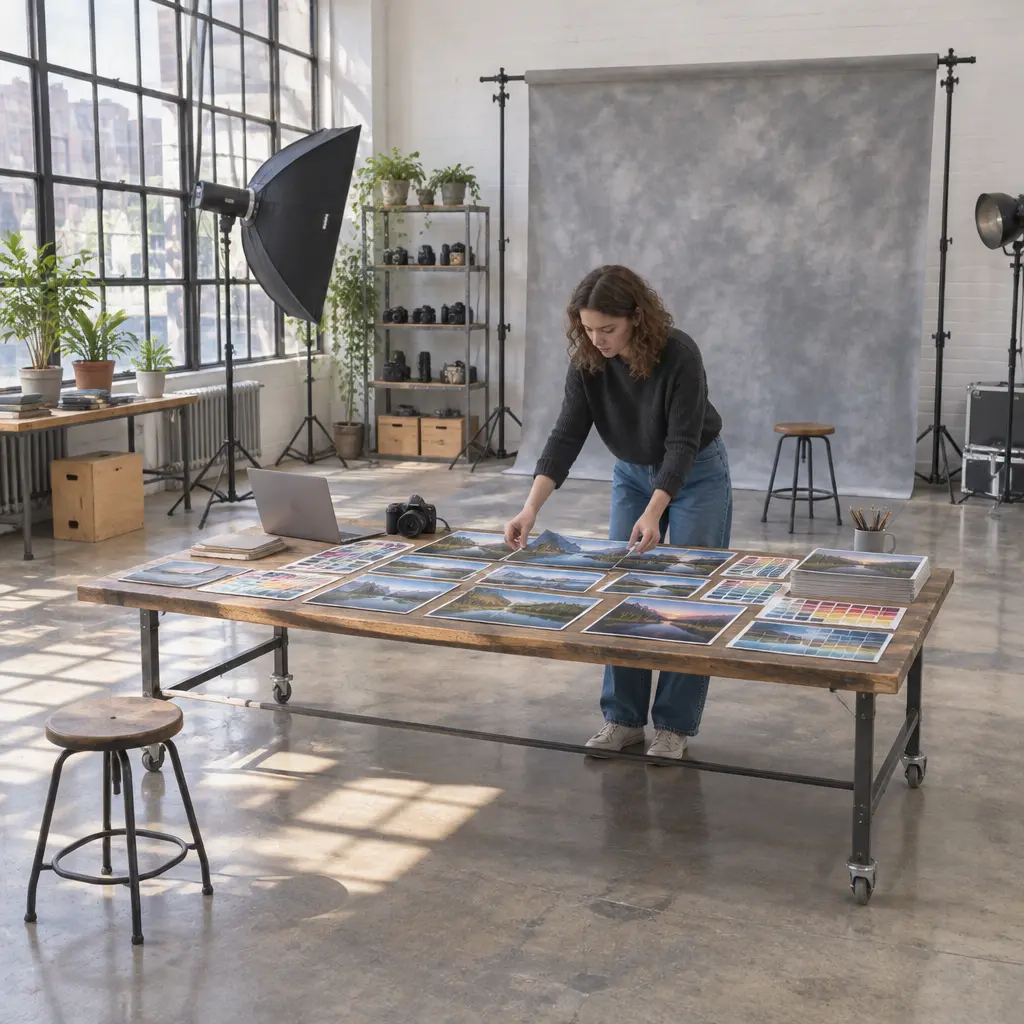
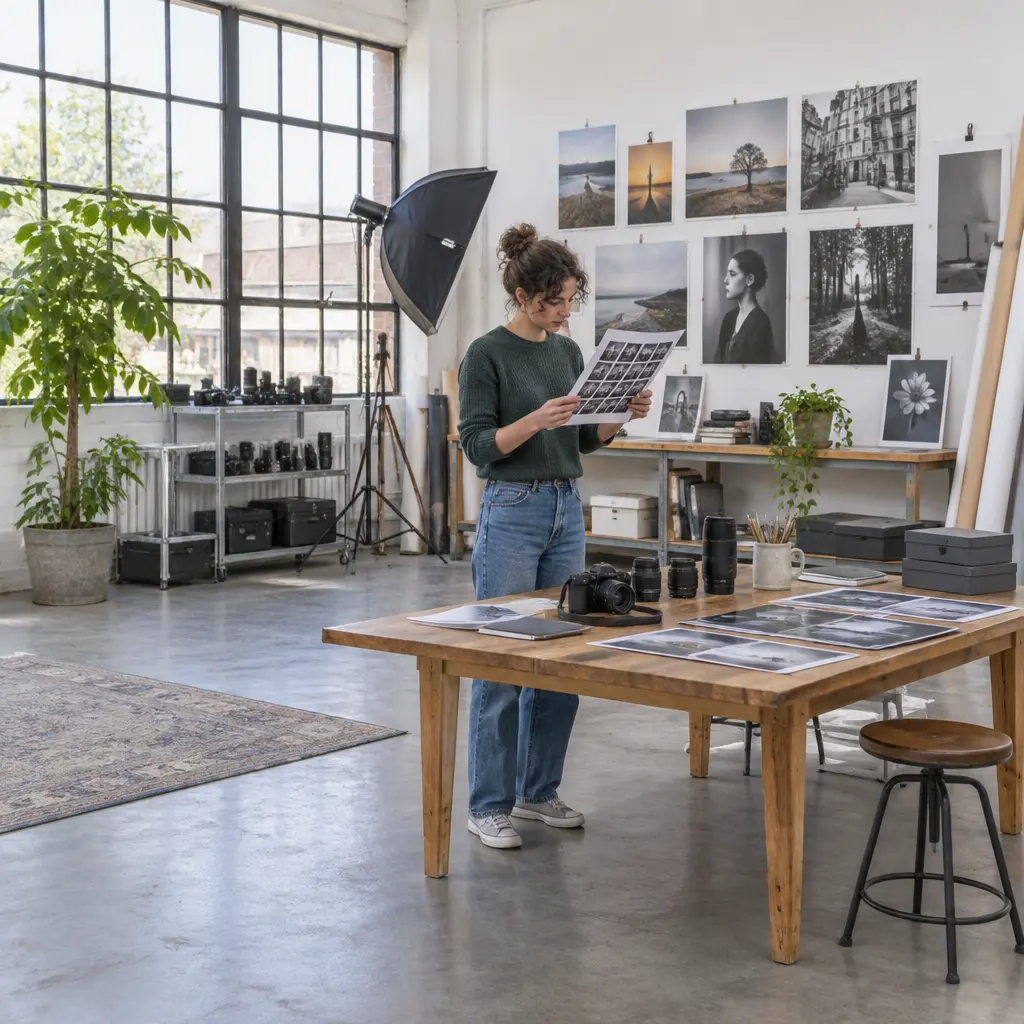
Taking photographs creates material, but reviewing it helps reveal habits. Select images from several shoots and compare framing, light, distance, timing, color, and subject matter. Note repeated choices as well as images that feel unusually strong. This review can reveal a preference for quiet moments, layered compositions, or available light that was not obvious while shooting.
Quitting a project before patterns can emerge
A short trial can test an idea, but a single session rarely shows whether it can sustain a body of work. A small project—such as photographing a neighborhood, a family ritual, or a changing landscape over several weeks—creates opportunities to revisit subjects under different conditions. The point is not to meet a magic image count. It is to gather enough varied evidence to distinguish a lasting interest from a momentary experiment.
External approval can distort photography style
Feedback can help photographers notice technical problems and communicate more clearly, but feedback is most useful when it is specific and relevant to the photographer’s goals. Social engagement, client preferences, peer critique, and personal satisfaction measure different things. Treating any one of them as a complete verdict can pull the work away from its purpose.
Treating online engagement as a measure of artistic value
Likes and views are platform responses shaped by timing, audience, format, and distribution as well as image content. They may be useful indicators of reach, but they cannot establish whether a photograph is meaningful, technically successful, or consistent with a project. When reviewing online response, separate the question “Did people see this?” from “Does this image serve the work I want to make?”
Accepting vague critique without asking what it means
Comments such as “make it pop” or “this feels more professional” may express a preference without identifying a useful change. Ask reviewers what they noticed first, where their attention went, and what they understood about the subject. Compare their observations with your own intent. A critique becomes actionable when it points to a specific element—such as distracting background detail, unclear visual hierarchy, or inconsistent color—rather than asking you to adopt someone else’s taste.
A practical process for finding photography style
A photographer does not need to wait for a perfectly unified portfolio before making decisions. A simple cycle of making, selecting, comparing, and refining turns the search into a manageable practice:
- Choose a subject or question that genuinely holds your attention.
- Make a focused series, allowing controlled variation in light, distance, framing, or timing.
- Select images based on both technical quality and personal significance.
- Compare the selections for recurring choices in composition, color, mood, and subject.
- Ask trusted viewers specific questions about what they notice and understand.
- Continue, revise, or set aside the approach based on what the work teaches you.
A useful textual chart for this process would track each project across four columns: intention, visual choices, recurring strengths, and next experiment. Over time, that record can make development easier to see without forcing the work into a premature label.
Conclusion: photography style grows through observation and practice
The most common mistakes in searching for photography style are copying appearances rather than studying decisions, chasing trends, adopting labels too early, expecting gear or presets to provide originality, making too little work to see patterns, and relying on external approval as the final measure. Photography style is better understood as a developing pattern of choices—one that becomes clearer through sustained practice, thoughtful review, and feedback aligned with the photographer’s intent.
Start with a small project, review the images you make, and record the choices that recur. Use influences and critique as tools, not instructions. For further study, explore resources on visual storytelling, photographic history, creative practice, and the work of photographers whose approaches challenge your own.
Sources: American Psychological Association, APA Dictionary of Psychology, “observational learning,” https://dictionary.apa.org/observational-learning; National Endowment for the Arts, Survey of Public Participation in the Arts, https://www.arts.gov/impact/research/arts-data-profile-series/adp-29; Reuters Institute for the Study of Journalism, Digital News Report 2024, https://reutersinstitute.politics.ox.ac.uk/digital-news-report/2024; Ericsson, K. Anders, Ralf Th. Krampe, and Clemens Tesch-Römer, “The Role of Deliberate Practice in the Acquisition of Expert Performance,” Psychological Review, 1993, https://doi.org/10.1037/0033-295X.100.3.363.