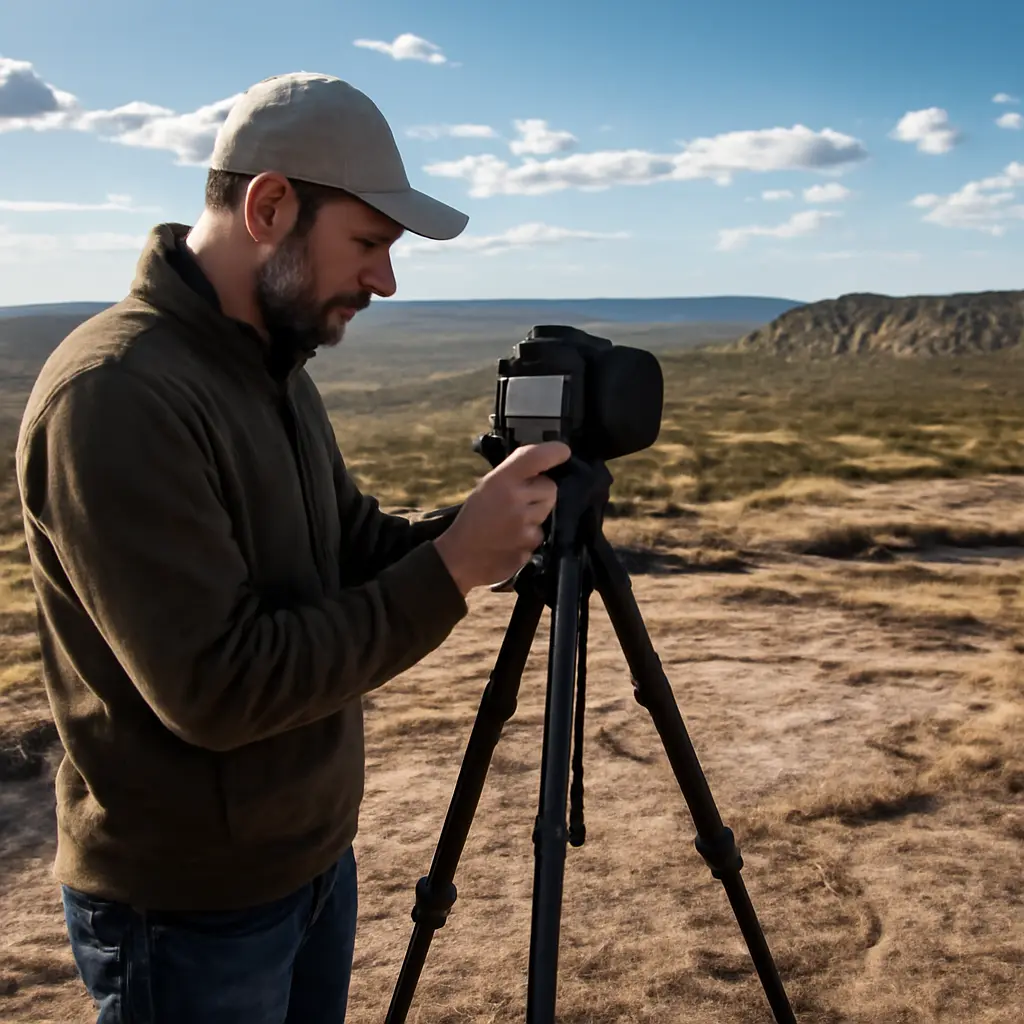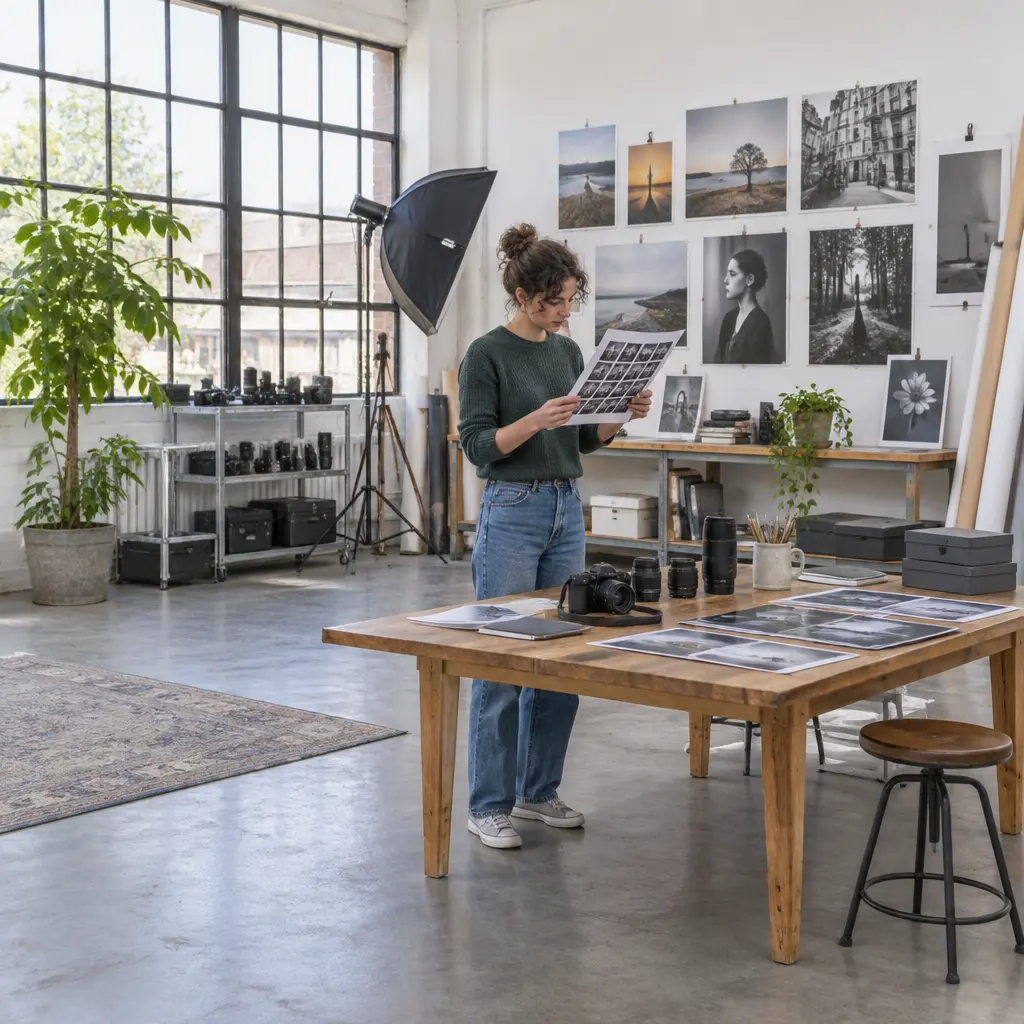
A photography style is the recognizable pattern of choices a photographer makes in subjects, composition, light, color, and mood. There is no fixed timetable for developing one: some recurring preferences may emerge within months, while a coherent, adaptable style often takes years of deliberate shooting and review. The timeline depends on practice, feedback, experience, and how narrowly “style” is defined—not on a universal number of photographs or hours. Understanding what style consists of, how it develops, and how to recognize progress can make the process more intentional without turning it into a race.
What determines how long it takes to develop a photography style?
A photography style is an individual’s consistent visual approach, expressed through repeated decisions rather than a preset, camera, or single striking image. Photography educators and practitioners commonly describe style through elements such as subject matter, framing, lighting, color, perspective, and emotional tone. These choices become recognizable when they recur across a body of work.
That definition matters because a photographer can imitate a look quickly, but a personal style takes longer to identify and sustain. The American photographer Ansel Adams distinguished the technical craft of making photographs from the expressive choices that give them meaning; in practice, developing style involves both. Technical confidence makes it easier to choose deliberately, while repeated projects reveal which choices feel authentic and useful.
No credible research establishes a standard number of months or images required to find a photographic style. The often-repeated “10,000-hour rule” comes from research on expert performance, not a validated formula for creative identity. A more useful measure is whether your work shows recurring choices across different shoots—and whether you can explain why you make them.
Practice and feedback shape the timeline
Practice means making photographs regularly and then examining the results, not simply accumulating shutter clicks. A photographer who shoots weekly, completes focused assignments, and reviews images may recognize patterns sooner than someone who shoots sporadically. Feedback from trusted peers, mentors, editors, or clients can expose habits that are hard to see from inside the process.
Research offers a useful caution against assuming that time alone produces expertise. In a 1993 study of violinists, psychologist K. Anders Ericsson and colleagues examined deliberate practice—structured activity intended to improve performance—rather than passive repetition. The study was not about photography and does not prescribe a style-development schedule, but its distinction is relevant: purposeful practice is more informative than an arbitrary image count.
Experience broadens visual choices
Early photographers often depend heavily on familiar references, equipment, or editing trends. Over time, working in varied conditions—different light, locations, subjects, and constraints—builds a wider set of options. That experience can help photographers keep a recognizable point of view while adapting to the needs of a portrait, landscape, documentary, or commercial assignment.
The U.S. Bureau of Labor Statistics describes photographers’ work as spanning fields such as portraiture, commercial photography, news, and scientific photography. Those fields impose different practical requirements, so a useful style is not necessarily a single unchanging treatment. It can be a consistent sensibility expressed differently for different purposes.
How photography style develops over time
Style usually develops through a cycle: explore, repeat, review, refine, and apply. The stages overlap, and photographers may return to experimentation after years of consistency. The point is not to reach a final look, but to build a body of work whose choices are increasingly intentional.
Exploration: testing subjects and influences
Exploration is the period of trying different subjects, lighting, lenses, framing, and post-processing approaches. Studying photographers and visual traditions can help you name what attracts you—such as quiet compositions, saturated color, direct flash, or environmental portraits. Inspiration is useful as a starting point, but copying another photographer’s signature treatment is not the same as developing your own.
A practical exercise is to photograph one subject in several ways: at different times of day, from different distances, and with contrasting compositions. Comparing the results reveals preferences that may not be obvious when each image is considered alone.
Recognition: finding recurring visual patterns
Recognition begins when you review a group of images and notice repeated decisions. You might favor available light, symmetrical framing, restrained color, close working distances, or scenes that include substantial negative space. These recurring features are evidence of an emerging style, particularly when they appear across multiple shoots rather than in one unusually successful image.
A contact sheet or portfolio review helps make those patterns visible. Select a manageable set of recent images, arrange them together, and identify what they share in subject, perspective, light, color, and emotional effect. A chart can be useful: list those five elements in columns and note which choices recur, which are deliberate, and which may simply be habits.
Refinement: making choices more deliberate
Refinement means keeping the choices that serve your intent and changing those that do not. It may involve using fewer editing treatments, getting closer to subjects, simplifying backgrounds, or building a consistent approach to light. Refinement is not the same as repetition for its own sake: if every frame looks alike because you avoid experimentation, the work may become predictable rather than distinctive.
Projects with constraints can help. For example, make a short series using one focal length, one location, or a consistent lighting condition. Constraints focus attention on composition and timing, while the resulting images can show whether a visual preference holds up across a sequence.
Application: adapting style to a real assignment
A developed style should be recognizable without being inflexible. A portrait photographer may favor natural light and candid gestures but still use studio lighting when a client needs a formal headshot. A documentary photographer may preserve a consistent approach to proximity and observation while responding to changing locations and events.
This ability to adapt is one reason style can continue evolving throughout a career. New collaborators, technologies, subjects, and personal experiences can alter what a photographer notices and how they represent it.
How to tell whether your photography style is emerging
An emerging style is not necessarily a perfectly uniform portfolio. Look instead for repeatable visual and conceptual decisions that appear across a meaningful selection of work. The strongest evidence is a combination of consistency, intention, and flexibility.
Your images share choices, not just filters
A preset can make photographs share a color treatment, but style reaches beyond post-processing. Ask whether your images also share a way of seeing: recurring subjects, camera distance, framing, light, timing, or emotional perspective. If the work feels related even when the color treatment changes, the connection is likely deeper than a filter.
You can describe your visual intentions
Being able to explain your choices is a sign of growing control. You might say that you use side light to emphasize texture, photograph people in their working environments to show context, or leave space around a subject to create stillness. A description does not have to be elaborate; it should clarify what you are trying to communicate and how your decisions support it.
The work remains recognizable across projects
A recognizable approach can persist even when subjects change. Compare a personal project with paid or assigned work: do framing, attention to gesture, or treatment of color still feel like yours? If so, your style may be becoming portable. If every assignment requires an entirely different visual identity, you may still be experimenting—or working in a field where distinct client needs appropriately take priority.
A practical plan for developing a photography style
Rather than setting a deadline to “find your style,” set a repeatable process for learning from your photographs. The following steps turn the open-ended task into a manageable practice:
- Choose a subject or question that interests you enough to revisit.
- Make a small, consistent body of work over several weeks, while varying one or two visual decisions deliberately.
- Review the photographs together instead of judging each image in isolation.
- Record repeated choices and distinguish intentional decisions from convenient habits.
- Ask a few knowledgeable viewers what they notice before telling them what you intended.
- Repeat the project with one adjustment, then compare the new work with the earlier set.
For example, a photographer interested in neighborhood life could make a monthly series about the same street. They might begin with wide environmental frames, then test closer portraits or different times of day. The series creates opportunities to learn about access, light, composition, and human interaction while revealing which approach best communicates the photographer’s interest.
Keep an archive of contact sheets, project notes, and selected edits. Looking back every few months can reveal changes that feel invisible day to day. It can also show that development is not always linear: an older approach may become relevant again when your interests or circumstances change.
Conclusion: style develops through sustained, reflective practice
There is no fixed amount of time required to develop a photography style. Early patterns may appear within months, but a coherent and adaptable approach typically grows through continued experimentation, deliberate practice, feedback, and review. Explore widely, look for recurring choices, refine them with intention, and test whether they hold up across different subjects and assignments.
Treat style as an evolving way of seeing, not a finish line or a preset. Start a focused photo series, review the images as a group, and write down what you want to carry into the next shoot. That process offers a more useful measure of progress than counting days or photographs.
Sources: Ericsson, K. Anders, Ralf Th. Krampe, and Clemens Tesch-Römer, “The Role of Deliberate Practice in the Acquisition of Expert Performance,” Psychological Review, 1993, https://doi.org/10.1037/0033-295X.100.3.363; U.S. Bureau of Labor Statistics, Occupational Outlook Handbook: Photographers, https://www.bls.gov/ooh/media-and-communication/photographers.htm; Ansel Adams, The Camera, Little, Brown and Company, 1980.